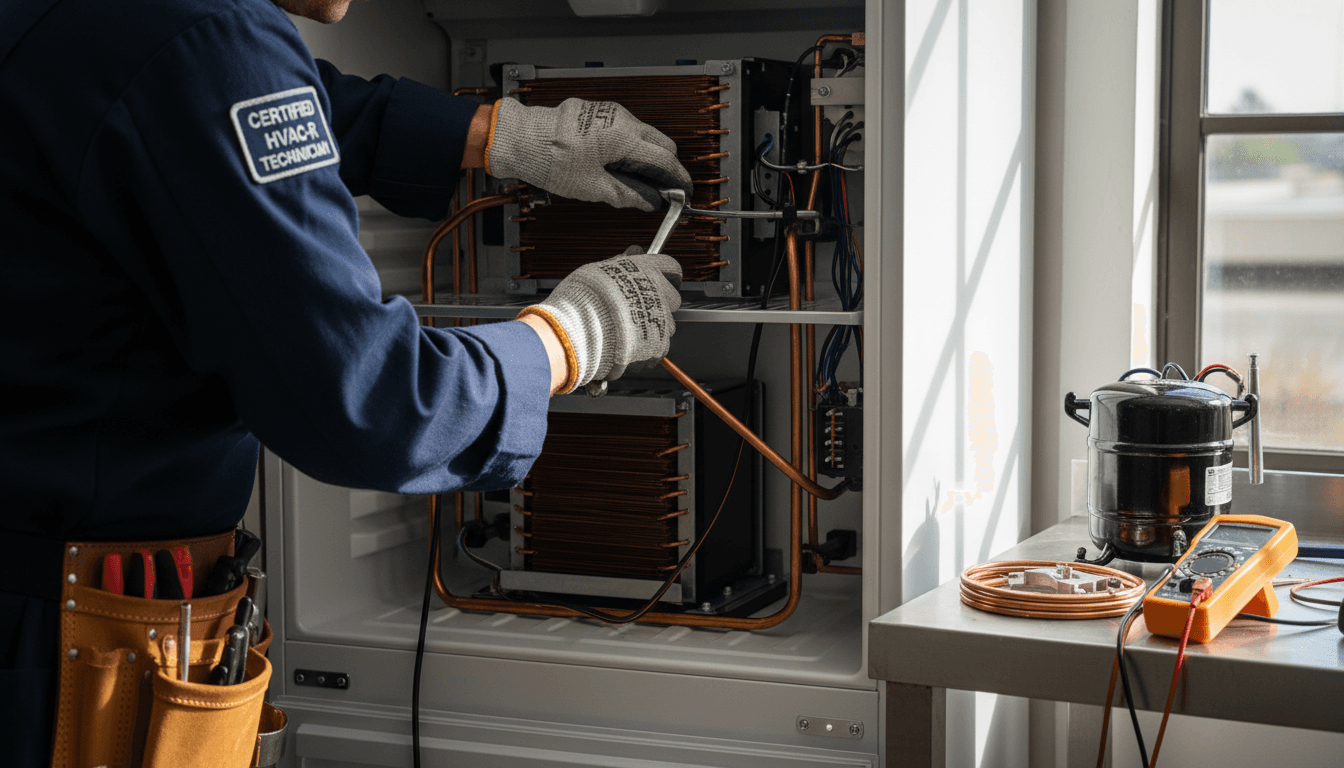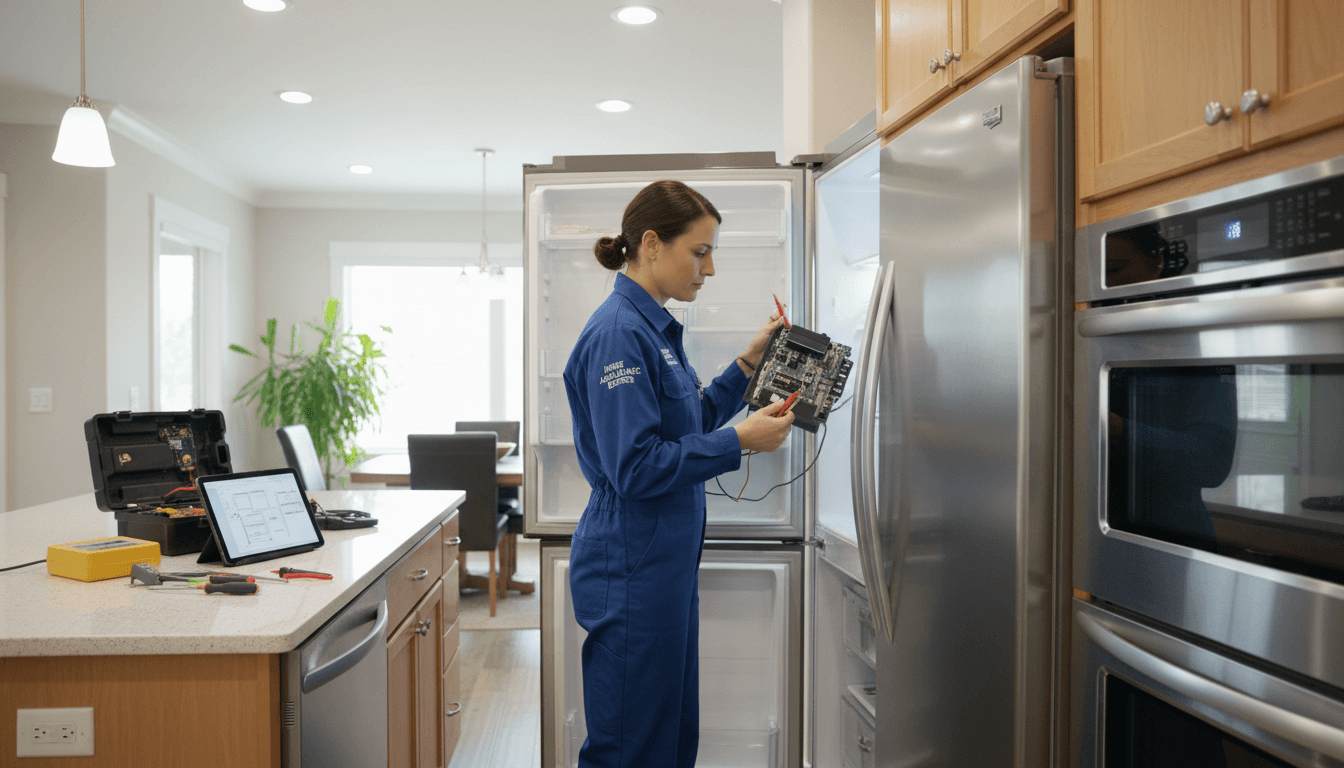
A bosch dishwasher not drying dishes is usually caused by an empty rinse aid dispenser or a lack of hot water during the final rinse. To fix this, ensure the rinse aid is full and your water heater is set high enough; otherwise, the issue may be a failed heating element or a broken vent fan.
Opening your Bosch dishwasher only to find a pool of water on your mugs and damp residue on your plates is an immediate frustration that disrupts your kitchen routine. While Bosch is renowned for its engineering excellence, their unique approach to drying requires a specific understanding of how condensation and specialized technologies function together. If your dishes are coming out wet, the issue often stems from a misunderstanding of these systems or a simple maintenance oversight rather than a total mechanical failure. In this guide, we will examine the critical role of rinse aid, explain proprietary features like CrystalDry and AutoAir, and identify common loading errors that hinder performance. You will also learn how Northport water quality affects these cycles and when it is time to schedule a professional diagnostic with the expert team at Appliance Connect.
Understanding the Bosch Condensation Drying System
Many Northport residents are accustomed to traditional American dishwasher brands like Whirlpool or GE, which typically utilize a large, exposed heating element at the base of the tub. Bosch takes a fundamentally different approach to engineering. If you notice your bosch dishwasher not drying as expected, the first step is recognizing that it does not use high, direct heat to bake the water off your dishes. Instead, it relies on a process known as condensation drying, which is safer for plastics and significantly more energy efficient.
The science behind this system is straightforward but relies on specific thermodynamic principles. Bosch units are built with a high quality stainless steel tub rather than a plastic liner. During the final rinse, the machine uses internal heaters to bring the water to an extremely high temperature, transferring that heat into your ceramic, glass, and metal dishes. As the cycle ends, the stainless steel tub cools down much faster than the dense dinnerware. This temperature gradient pulls moisture off the warm dishes and onto the cooler walls of the tub, where it then condenses and drains away.
This process is silent and does not produce the intense blast of dry heat associated with older machines. Consequently, Northport homeowners transitioning from older units often mistake this quiet operation for a malfunction. Understanding this technology is critical before seeking professional appliance repair. Often, what appears to be a failure is simply the system lacking the necessary conditions to facilitate moisture migration. If you suspect a deeper mechanical issue, our expert repair services can help diagnose the internal components, such as the flow through heater, that are essential for this process to work.
The Number One Culprit: Missing or Low Rinse Aid

Because Bosch units rely on the temperature differential of the tub rather than a heating element, rinse aid is a functional requirement, not an optional luxury. If the condensation process is the engine of the drying system, rinse aid is the fuel. It facilitates a physical process called sheeting action. By breaking the surface tension of the water, rinse aid allows moisture to thin out and slide off the dishes in a sheet rather than forming droplets that cling to surfaces.
In the Northport and Tuscaloosa area, local water minerals can often make it harder for water to shed naturally. Bosch engineers specifically recommend products like Finish Jet-Dry to achieve optimal results with their condensation technology. If your dishes are coming out wet, first verify that the dispenser on the door is full. If it is, you may need to increase the dosage setting.
To adjust the rinse aid level, press and hold the Program button 'A' and the Start button until the display shows a code like 'd:00'. Press 'A' repeatedly until the display shows 'r:05' or a similar 'r' value. Use the '+' or '-' buttons to cycle from r:00 (off) to r:06 (maximum). For most local households, a higher setting of r:05 or r:06 is necessary to overcome moisture retention. If adjusting these settings does not improve performance, expert repair services may be required to ensure the dispenser is actually releasing the fluid during the final rinse.
Bosch Specific Drying Technologies: PureDry, AutoAir, and CrystalDry

Beyond the basic physics of condensation, your specific Bosch model utilizes one of three distinct drying technologies. Identifying which system your unit uses is essential for diagnosing why your bosch dishwasher not drying effectively. Each tier adds a layer of mechanical or chemical complexity to the standard stainless steel cooling process.
PureDry is the baseline system found on many 100 and 300 series models. It is a closed system, meaning there are no fans or vents to introduce outside air. It relies entirely on the high temperature of the final rinse and the sheeting action of your rinse aid. If these units fail to dry, the problem is almost always related to water temperature or chemical settings rather than a mechanical breakdown.
The 500 series typically features AutoAir technology. This system includes a motorized latch that physically props the door open at the end of the cycle to let steam escape. If you find your dishes are unusually damp, check if the door is actually opening. A faulty actuator or a physical obstruction, such as a heavy custom cabinet panel that hasn't been properly balanced, can prevent the door from popping. When that humid air stays trapped inside the tub, it eventually cools and turns back into liquid on your dishes.
CrystalDry, found in the premium 800 series, is the most sophisticated method. It uses a specialized chamber filled with Zeolite, a mineral that naturally produces heat when it comes into contact with moisture. During the drying phase, a fan circulates humid air through these minerals, heating it significantly to evaporate water even from plastic items. If an 800 series unit leaves dishes soaking wet, it often indicates a failure of the internal circulation fan or a blockage in the Zeolite chamber. These components are tucked away beneath the tub and generally require expert repair services to access and test. Understanding these tiers helps you determine if your issue is a simple setting adjustment or a job for professional appliance repair technicians.
Common Loading Mistakes That Lead to Wet Dishes
Proper loading is just as important as the chemicals you use. If you pack items too tightly, you create nesting, particularly with silverware. When spoons or forks overlap, moisture remains trapped between the surfaces and cannot evaporate. Similarly, ensure that large platters on the bottom rack do not block the spray arms or the path of the humid air trying to reach the tub walls.
A common frustration for Northport families is a bosch dishwasher not drying plastic containers. Unlike ceramic or glass, plastic has very little thermal mass; it does not hold onto heat long enough to facilitate the condensation process. To improve results, place plastics on the top rack and ensure they are angled so water cannot pool.
Pay close attention to items with concave bottoms, such as coffee mugs or storage lids. If these are loaded flat, they act as small reservoirs. Tilting them at a sharp angle allows the water to shed during the final rinse. Finally, always unload the bottom rack first. This simple habit prevents any residual water caught in the upper rack from dripping down onto the dry dishes below. If you notice significant pooling despite proper loading, expert repair services can help determine if a component like a circulation pump is underperforming.
Checking Your Water Temperature and Cycle Settings
Since condensation drying relies entirely on a temperature differential, the final rinse water must be exceptionally hot. If the incoming water is lukewarm, the dishes will not retain enough thermal energy to push moisture toward the stainless steel walls. A practical step for Northport homeowners is to run the hot water faucet at the kitchen sink for about sixty seconds before starting a cycle. This ensures the dishwasher draws hot water immediately rather than filling the tub with the cold water that has been sitting in the pipes.
Your choice of cycle also plays a pivotal role in final results. If you notice a bosch dishwasher not drying at end of cycle, check if you are utilizing an "Eco" or "Express" mode. These cycles are engineered to save energy by reducing water temperature and shortening the contact time, which often results in lingering moisture. To combat this, select the "Extra Dry" or "Sanitize" options. The Sanitize cycle increases the temperature of the final rinse to approximately 161°F, significantly boosting the evaporation process for denser loads. If your unit consistently fails to reach these temperatures even on high-heat settings, it may indicate a failing flow-through heater or a faulty NTC sensor, both of which require expert repair services to resolve.
Technical Failures: When It Is Time to Call Appliance Connect

When adjustments to rinse aid and cycle settings fail to yield results, the problem likely stems from a mechanical failure. A bosch dishwasher not drying effectively often traces back to the flow through heater. Unlike the exposed loops in older machines, Bosch integrates the heater into the circulation pump housing. If this component burns out, the water remains cold during both the wash and final rinse. Without that intense heat, the dishes never gain the thermal energy required for the condensation process to function.
Other technical culprits include a malfunctioning NTC (temperature sensor) or a broken vent fan. The NTC monitors internal water temperature; if it sends incorrect data to the control board, the machine may truncate the heating phase prematurely. For owners of the 500 or 800 series, a failed AutoAir actuator or a seized circulation fan in the CrystalDry system will trap moisture inside the tub regardless of how well you load the racks.
Our technicians in Northport are specifically trained to interpret Bosch error codes, such as E09 or E11, which often point directly to these heating circuits. If your control panel flashes an alert or if the interior remains stone cold at the end of a long cycle, it is time to schedule expert repair services. Attempting to disassemble the specialized pump housing without proper tools can lead to leaks, making professional appliance repair a safer, more cost effective choice for restoring your kitchen's efficiency.
How Northport Hard Water Impacts Your Bosch Dishwasher
Local environmental factors play a significant role in appliance longevity. In Northport and throughout West Alabama, the mineral content of the water can slowly degrade your machine’s performance. Calcium and magnesium deposits, commonly known as limescale, tend to accumulate on the internal flow-through heating chamber and the NTC sensors. Over time, this mineral layer acts as an insulator, preventing the heater from effectively raising the water temperature to the necessary levels for the condensation process.
When the final rinse temperature drops even by a few degrees due to scale buildup, you will likely notice your bosch dishwasher not drying properly. To prevent this, we recommend regular descaling using a Bosch-approved cleaner every four to six months. This maintenance task ensures the thermal conductivity required for the condensation drying process to work at peak efficiency. If heavy mineral buildup has already compromised the internal sensors or the heating pump, our expert repair services can provide a thorough diagnostic. Keeping these components clear of scale is essential to avoiding more costly professional appliance repair and ensuring your unit continues to run efficiently for years to come.
Most drying issues with Bosch dishwashers are caused by minor setting errors or maintenance needs that you can handle at home. However, some malfunctions involving the heating element or control board are more complex. If you want expert help to diagnose the exact cause, our team is ready to step in. Scheduling a professional Repair ensures your appliance is handled with care and restored to its best performance. This simple step can save you time and provide lasting peace of mind.